Trowel Font: A Simple Way to Make Your Brand More Memorable
I remember the afternoon clearly. I was sitting at my kitchen table surrounded by candle jars, label paper, and a growing frustration that my brand still looked like a side project. I had been making candles for over a year, and while the scents were getting rave reviews from friends and local market customers, my packaging felt flat. The labels were plain, the fonts were generic, and nothing about them said “you can trust this product.” I wanted my brand to feel handcrafted, thoughtful, and a little bit mysterious. I wanted people to pick up a jar and feel like they had discovered something special. That is when a designer friend mentioned a font called Trowel, and everything clicked.
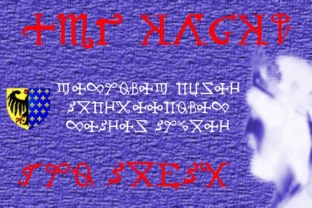
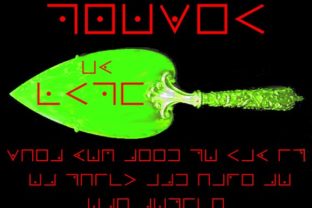
Trowel is not your everyday typeface. It is a dingbat font based on the old Free Mason cipher, also known as the Pigpen cipher. Instead of standard letters, each character is replaced by a simple geometric symbol taken from a grid pattern. The result is a system of writing that looks secretive, historic, and beautifully crafted. For someone like me, who runs a one-person business and needs every detail to reflect care and intention, Trowel offered a way to add a layer of storytelling that plain fonts never could. It made my labels feel like they contained a hidden message, which fit perfectly with the candle brand I was building.
Why a Small Business Owner Falls for a Cipher Font
At first, I was hesitant. Trowel is not a standard serif or sans serif font. It is a display font with a very specific personality. But the more I thought about it, the more I realized that owning a small business is about standing out. You cannot afford to look like everyone else. When you are selling handmade products online or at a weekend market, your packaging is often the first thing a customer sees. If it looks like it came from a generic template, they will assume the product inside is generic too. Trowel changed that for me. Its symbols look like something from an old artisan workshop, and that visual instantly communicates craftsmanship, history, and a little bit of intrigue.
I started using Trowel on my candle labels as a decorative accent. I printed the scent name and a short phrase using the cipher symbols, and placed them as a small strip on the back of each jar. The front of the label kept a clean, readable sans serif for the brand name and scent description, but that tiny touch of mystery on the back made customers curious. They would turn the jar over, try to decode the symbols, and then ask me about it at the market. That single detail started conversations, and those conversations turned into sales. Trowel became a talking point, and in a crowded market, that is pure gold.
How Trowel Fits Into Real Business Materials
Once I saw how well Trowel worked on candle labels, I started experimenting with other parts of my brand. I added the cipher symbols to thank-you cards that go inside every order. I printed small stickers with a single Trowel symbol and sealed my packaging with them. I even used the font on a limited edition banner for my online shop, creating a headline that looked like a secret code. Customers loved the playful element, and my brand started to feel more consistent, more polished, and more memorable.
Trowel is not a font you use for paragraphs or long descriptions. It is a display font, best reserved for short phrases, logos, packaging titles, decorative accents, and branding elements where you want to create curiosity. For a café owner, it could be used on a menu header or a specials board to give a handcrafted feel. For a soap maker, it could appear on a label as a small emblem. For a boutique clothing tag, it could add a sense of exclusivity. The key is to use it sparingly and pair it with a more readable typeface so your message remains clear while your brand gains personality.
Typography, First Impressions, and Customer Trust
I have learned that typography is not just about making things look pretty. It directly affects how people perceive your business. When I used standard fonts, my brand felt ordinary. When I introduced Trowel, the perception shifted. Customers started describing my candles as “artisanal,” “thoughtfully made,” and “unique.” Those words did not come from the scent alone; they came from the visual story my packaging told. A well-chosen font can communicate trustworthiness, creativity, and attention to detail before a customer even reads a single word. Trowel, with its historic cipher roots, brings a sense of authenticity and handcrafted care that is hard to replicate with ordinary typefaces.
Readability is always a concern with decorative fonts. On a small candle jar, a busy symbol can become muddy if printed too small. I learned to test my labels at actual size before committing to a print run. For Trowel, I found it works best at a moderate size, around 12 to 18 points for a label accent, and larger for headlines or banners. On mobile screens, like my online shop banners, I used the font at a larger scale to keep the symbols distinct. If you are designing for social media graphics, Trowel works wonderfully as a visual element in the corner of an image or as a stylized watermark. It draws the eye without overwhelming the message.
Pairing Trowel With Other Fonts
No single font can do everything, and Trowel is no exception. To make it work in a real brand, I paired it with a clean sans serif for body text and product details. The contrast between the geometric, mysterious symbols and a simple modern typeface creates a balanced look. If your brand is more elegant, try pairing Trowel with a gentle serif. The soft curves of a serif complement the straight lines of the cipher symbols. For a playful or handmade feel, a handwritten font can work well alongside Trowel, especially on thank-you cards or personal notes. The idea is to let Trowel be the accent that adds character while your main font handles readability and clarity.
When I redesigned my labels, I used a neutral sans serif for the scent name, ingredients, and website, and added Trowel as a small decorative block near the bottom. The result was a label that felt complete, professional, and unique. My customers did not need to read the cipher to appreciate its presence. They simply saw that I had put extra thought into the design, and that built trust. For a bakery updating its packaging, imagine a box with a clean serif for “Sourdough Loaf” and a Trowel symbol underneath that hints at a secret family recipe. For a skincare brand, a tiny cipher mark on the side of a bottle can suggest a proprietary blend. The possibilities are endless, and they all start with one intentional font choice.
What to Check Before You Use Trowel in Your Business
Before you add Trowel to your own brand assets, there are a few practical details to confirm. Check the file formats included with your purchase. Most premium fonts come with OTF, TTF, and sometimes WOFF for web use. Make sure the font includes the characters you need, especially if you plan to use ligatures or stylistic alternates. Trowel, being a cipher font, maps letters to symbols, so test that your design software reads the glyphs correctly. Also verify the commercial licensing terms. If you are using the font on products for sale, labels, packaging, merchandise, templates, or client work, you need a license that covers commercial use. Many font foundries offer standard and extended licenses, so read the details before you start designing.
Multilingual support is another consideration. Trowel may not include accented characters or extensive language coverage, so if your brand serves an international audience, check the character set. For most small businesses focused on English-language markets, this is rarely a problem, but it is worth confirming. The last thing you want is to fall in love with a font and then discover it cannot handle your brand name in another language.
How Trowel Became My Brand’s Signature
Looking back, the decision to use Trowel was one of the simplest and most effective changes I made to my business. It did not require a complete rebrand or a big budget. It was just one font, but it carried a history and a visual language that aligned perfectly with the story I wanted to tell. My customers remember the little symbols on the jars. They ask about them, share photos on social media, and tell their friends. That kind of organic engagement cannot be bought. It comes from creating a brand that feels intentional, and Trowel helped me do that without overcomplicating the process.
If you are a small business owner, an online seller, a café owner, or a handmade product creator, I encourage you to look beyond the usual font options. A dingbat or display font like Trowel can add depth and personality that standard typefaces simply cannot. You do not need to be a professional designer to use it well. Start with one application, a label, a tag, a social media graphic, and see how it feels. You might find, as I did, that a single font choice can shift how people see your entire brand. And in a world where customers have endless choices, being memorable is everything.